
By Evelyn Jock
Rt Rev Bishop Julius Dusin Gitom, Bishop of the Diocese of Sandakan, in his Good Friday message on 3 April 2026, reflected that the mystery of suffering, love, and salvation invites us to look beyond pain and hardship, and to recognize the saving work of God revealed even in the darkest moments of our lives. As we reflect on the Passion of Jesus, we are challenged to ask ourselves: how do we understand the Cross in our own lives?
The prelate recounted that during the Passion of Jesus, those present 2,000 years ago reacted in very different ways. In the Gospel according to John, their emotions ranged from fear, anger, betrayal, and even the display of power. Yet in the midst of it all, Jesus stood in quiet, selfless love, a humble reminder to us of the strength found in faith and compassion.
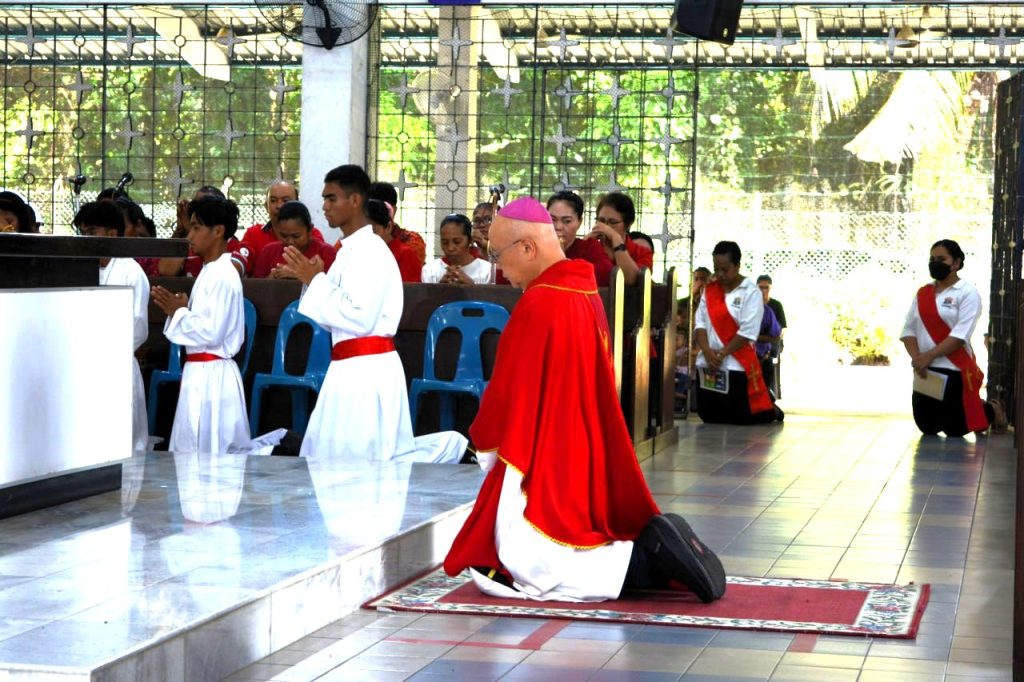
The soldiers came with weapons. Peter, in his usual way, responded with violence. Pilate wrestled with the question of truth. The crowd shouted. And in the middle of all this stood Jesus, calm, fully aware, and ready to embrace His Cross. He was not a helpless victim; rather, He stepped forward and declared, “I am He.” Even amid the chaos, He remained composed, sovereign and unshakably faithful.
A profound question emerges from this moment: “What is truth?” Pilate asked, yet he did not wait for an answer, for his heart had already grown hardened. He could no longer receive the truth. The real danger, therefore, is not suffering itself, but a heart that has become hardened. This is one of the great tragedies of the Passion—not only the suffering endured, but the blindness of the human heart. Many saw Jesus, yet failed to recognize Him. Still, the Gospel of John reveals that the hand of God is at work even in the midst of chaos.
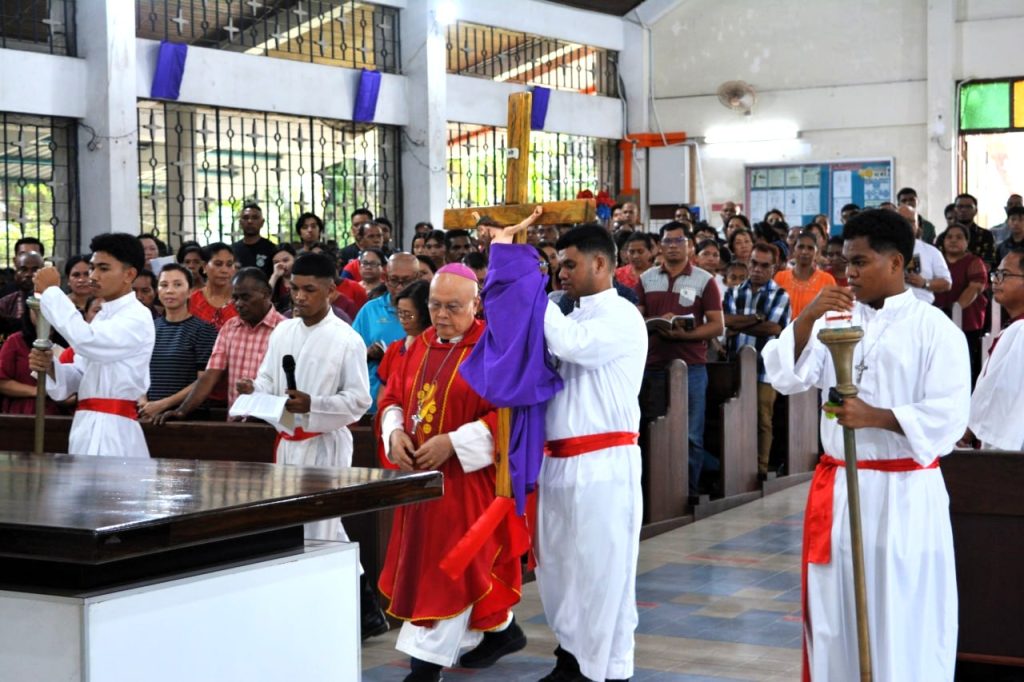
The arrest, the trial, and the crucifixion may appear as defeat in the eyes of the world. Some may even feel that it is unjust. Yet nothing lies outside the plan of God. Even the smallest details—the seamless robe, the timing, and the words spoken from the Cross—point to a deeper meaning. God is ever present, quietly transforming suffering into salvation.
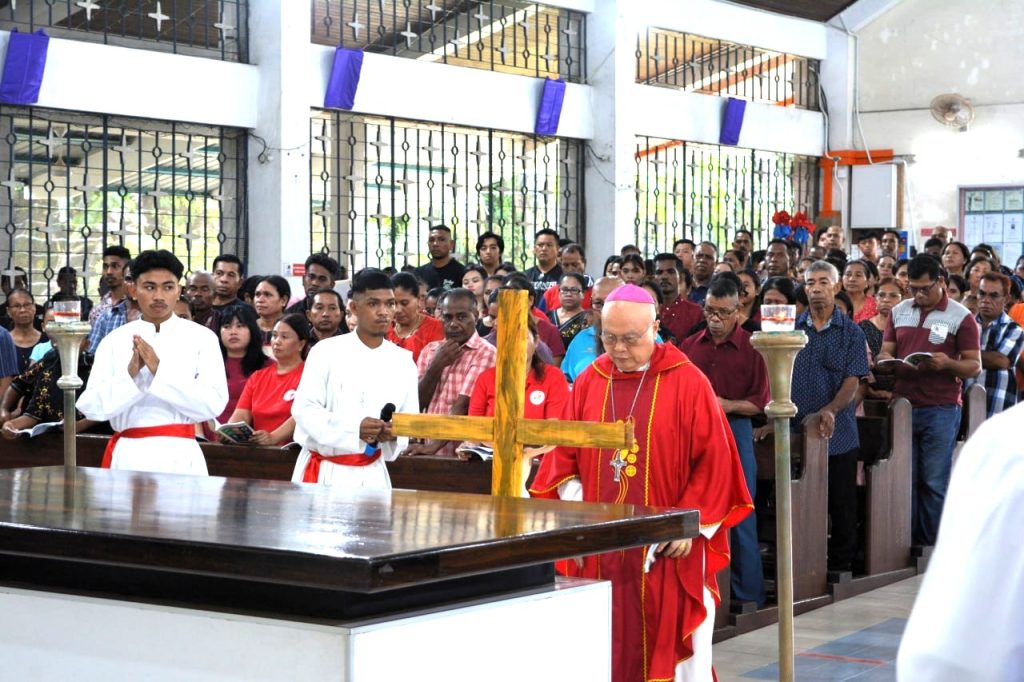
Jesus did not merely carry the Cross; He gave it profound meaning. Good Friday is not only about what was done to Jesus, but about what Jesus chose to do. He received betrayal and transformed it into forgiveness. He received violence and turned it into love. He received death and transformed it into life.
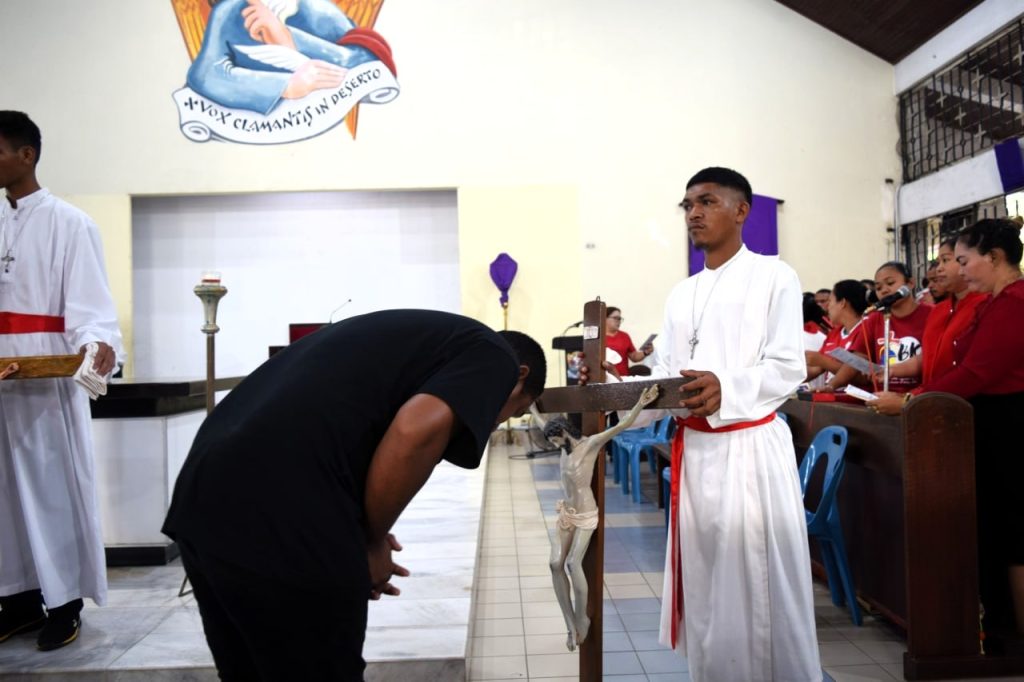
Today, Bishop Julius calls on all of us to reflect on our own lives. We too experience moments of confusion and chaos. At times, we do not know what to do. At times, we are wounded—we react like Peter, avoid the truth like Pilate, or follow blindly like the crowd. Yet Jesus shows us a better way: to face reality with courage, to trust in God even in confusion, and to choose love even when it is difficult.
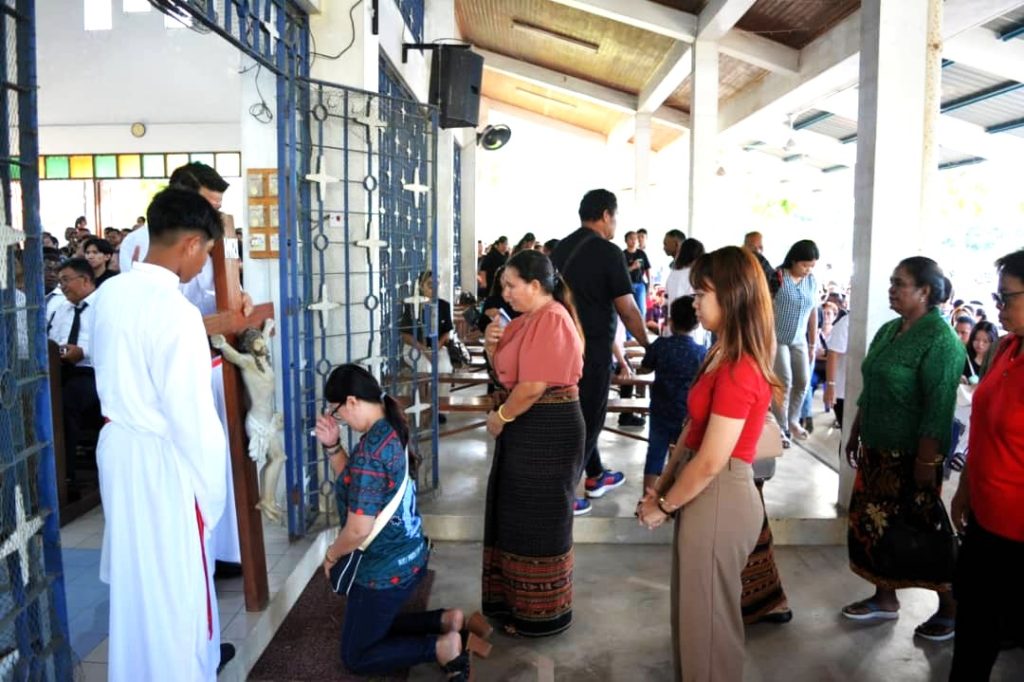
The Cross is not the end; it is where God begins something new. Bishop Julius urges the faithful to reflect on the Cross merely as a symbol of suffering, but as a source of transformation in our lives. He encourages everyone to choose love, to forgive, and to stand firm in the truth, even when challenged or opposed. He calls on the faithful to remain calm amidst life’s struggles and to pray earnestly for others, especially those who suffer, and for peace in a world marked by uncertainty and conflict among nations such as Israel, the United States, Iran, Russia, and Ukraine.
Finally, he prayed that all may live in safety and peace, the world be held in God’s hands, and that the faithful will receive the salvation that comes from Him alone.